
Supermarket scanner data bring step change in measurement of inflation
The Office for National Statistics has today announced the final ‘Go’ decision for the introduction of supermarket scanner data into consumer inflation statistics. It represents a step change in our measurement of consumer prices. Mike Hardie explains how this new approach improves the calculation of these crucial statistics.
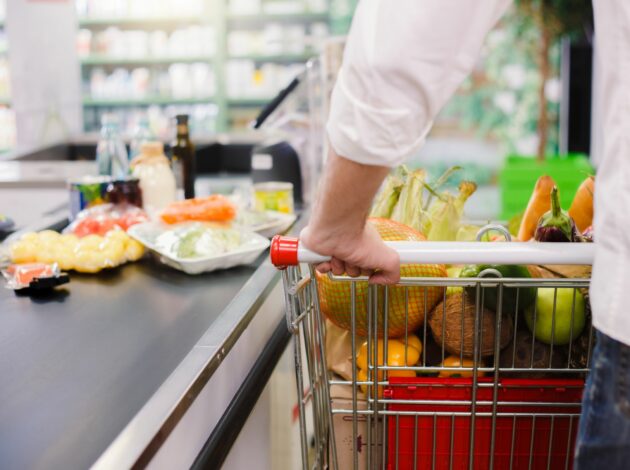
For a number of years we have been developing and trialling the use of supermarket checkout and online sales data to replace physical price collection for our headline inflation statistics. As this process has involved replacing 25,000 monthly price points, recorded on mobile devices in shops by price collectors, with 300 million price points derived from sales of over a billion units of products per month taken directly from checkouts, we have taken our time to develop both the systems and methods to assure the quality of these important statistics.
This new data source will bring a step change in our measurement of inflation. Now, rather than assuming the change in the price of one type of apple in a supermarket reflects all apples, for the shops supplying us with scanner data, we will be able to see how the price of every apple changes as well as knowing exactly how much of each type of apple is bought, so can adjust the figures for changing buying habits. However, it’s important to note we won’t have any information about any individual shopper.
It will also allow us to better capture the impact of a wider range of promotions, such as store discount cards, on average price inflation. This means the price charged at the till, not the price shown on the shelf, will feed into our inflation statistics.
We will be bringing in this new data source in March, alongside our usual annual review of the basket of goods and services, when it will replace physical price collection for half of the grocery market.
While this will significantly improve our understanding of price changes in the grocery market, overall, our analysis shows that on average it has little overall change on headline inflation over the six year period where we have data. We have assessed the impact of this improvement from 2019 to 2025, a historically volatile period for inflation which included both the Covid-19 pandemic and the initial impact of the war in Ukraine.
As we previously set out, our CPI analysis shows that, on average, annual inflation would have been slightly lower (approximately 0.1 percentage points lower) between 2022 to 2024 partly due to the drag from store card discounting, and unchanged to one decimal point in 2020, 2021 and the first half of 2025. Over the period, the headline annual rates of CPI were impacted to one decimal place in 39 out of 66 months, but due to offsetting impacts, on average across the period the annual rate would have been the same to one decimal place.
We’ve built the IT infrastructure and developed the innovative methods needed to use large administrative data quickly and effectively. This will help us further increase the quality of the price data used across the basket of goods and services, and we will look for opportunities to use by onboarding new data sources.
Following the introduction of this new data source, we will also reintroduce our Shopping Prices Comparison Tool, but on an expanded basis, showing more products and calculated on many more price points. We will allow the new data to bed in first, so plan to reintroduce the tool from the summer.
As well as the introduction of scanner data, March’s inflation numbers will also include two further improvements. For hotel stays, we are now introducing an additional collection day each month, which will double the sample with the aim of reducing the volatility that can be introduced by major events. We are also introducing an additional collection day for computer games, as the volatility in the composition of charts we use to select the games can lead to erratic movements in this item. Analysis shows that both these improvements will lead to less volatility in overall inflation.
We have worked closely with the key users of inflation statistics, including via our Advisory Panels on Consumer Price Statistics, throughout this journey and they are enthusiastic about these advances being introduced.
Today’s announcement previews a coming step-change in our measurement of inflation. It is part of our broader plan to improve the quality of our key statistics.

Mike Hardie is Deputy Director for Prices Transformation